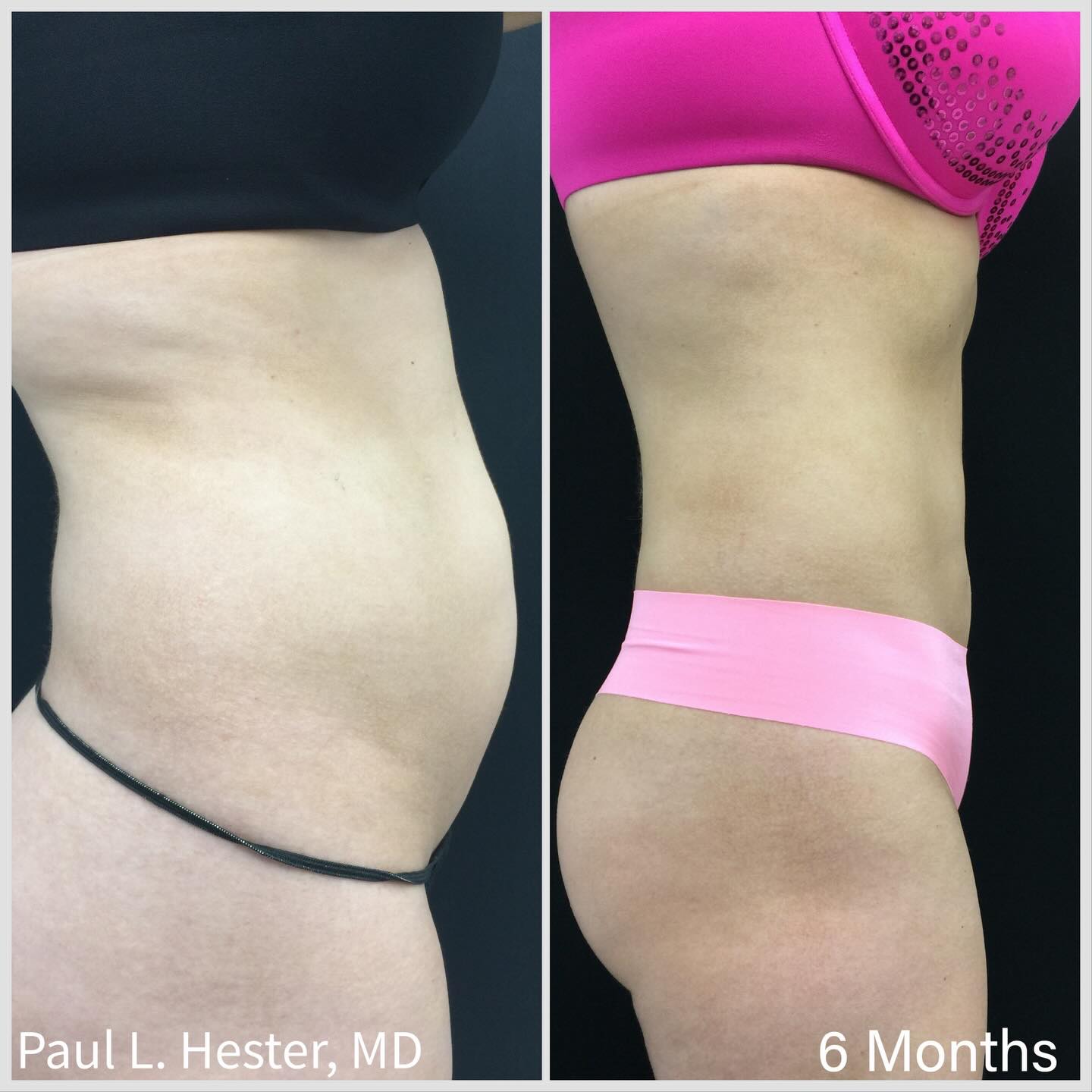
You can feel good about your health and still want to change an area of your body. A pocket around your waist may remain despite regular exercise. Your upper arms may have fullness, and your skin may feel less firm.
When both fat and loose tissue contribute to the concern, reducing volume alone may not create the contour you want.
BodyTite combines fat reduction and tissue tightening in one procedure for eligible patients. At Be Medispa, Dr. Paul Hester assesses what is affecting your shape before recommending treatment.
If you’re exploring BodyTite in Lexington, KY, here’s what to know about potential changes and recovery.
BodyTite uses radiofrequency-assisted lipolysis, often shortened to RFAL. A small internal probe delivers controlled energy beneath the skin while an external component works above the treatment area.
The energy heats targeted fat and connective tissue to support contraction. Liposuction may be incorporated to remove treated fat and refine the contour.
This is a minimally invasive procedure. It involves small entry points and treatment beneath the skin, so preparation and recovery are part of the process.
The appeal is addressing selected fullness and tissue laxity together, rather than expecting fat removal alone to resolve both.
Depending on your anatomy, BodyTite may be considered for areas such as:
Suitability depends on what is creating the contour. A pocket of fat beneath the skin is different from significant excess skin or an abdominal concern involving deeper structures.
During your consultation, show Dr. Hester the area that bothers you and describe the change you hope to see. How clothing fits can help you explain your priorities.
No. BodyTite is intended for targeted contouring.
It may suit someone near a stable, maintainable weight who wants to address a particular area. It is not a substitute for medical weight management or a way to achieve substantial overall weight loss.
If you are actively losing weight, discuss that during your assessment. Your provider can explain how weight stability affects treatment timing and the results you hope to achieve.
Not in every case. BodyTite may improve selected tissue laxity, but it does not remove a large amount of hanging skin or repair separated abdominal muscles.
When those concerns are significant, an excisional procedure such as a tummy tuck may be more appropriate.
A thorough assessment helps determine which option can realistically address your anatomy. Choosing the smaller procedure is only helpful if it can deliver a worthwhile change for you.
Paul L. Hester, MD, MBA, has received national recognition for his BodyTite work and serves as an InMode trainer for BodyTite and FaceTite.
For patients, that experience matters when making decisions about the procedure. Dr. Hester evaluates the amount and location of fat, along with skin quality, before recommending how to treat the area.
Your medical history also informs the plan. Share current medications and previous procedures, and be open about nicotine use or any history of healing problems.
At Be Medispa, BodyTite is performed with local anesthesia and comfort measures chosen for each procedure. Your team will explain the required preparation and transportation arrangements.
Local anesthetic reduces pain in the treatment area. Administering the numbing medication may cause brief stinging or pressure.
During treatment, you may remain aware of movement or pressure. Sensation varies, and you should tell the team immediately if you feel pain or an uncomfortable heat sensation.
Treatment time depends on the size and number of areas involved. Ask for the expected full visit length, including preparation and observation afterward.
Plan for soreness and visible swelling. Bruising can occur, and treated tissue may feel firm or temporarily numb. Some drainage from the small entry points may also be expected, depending on the procedure.
Your recovery timeline should reflect the extent of treatment and your usual responsibilities. Returning to desk work is different from returning to a job that requires lifting or repeated bending.
Keep your schedule lighter and follow your instructions for gentle movement. You may need help with tasks that strain the treated area.
If compression is prescribed, wear the garment according to the fit and schedule your team demonstrated. More compression is not automatically better; report unusual discomfort or a garment that feels incorrectly positioned.
Some patients return to office-based work within several days. Others need longer, especially after larger treatment areas or when work is physically demanding.
Arrange flexibility where possible. Being able to work does not mean swelling has resolved or healing is complete.
Strenuous exercise and heavy lifting may be restricted for at least two weeks, sometimes longer. Follow Dr. Hester’s guidance for your specific treatment.
Don’t do a hard workout to test your recovery. Ask when you can resume each part of your routine and build back gradually, as directed.
Early swelling can hide the emerging contour, so the first week is not the time to judge your outcome.
As swelling settles, changes become easier to appreciate. Many patients assess meaningful progress over three to six months, with further refinement possible as tissue remodeling continues.
Your starting anatomy and healing response affect how much you improve. Before-and-after photographs show what happened for an individual patient, rather than a promise of your result.
BodyTite is generally planned as one procedure rather than a monthly treatment series. Follow-up visits remain important, and additional treatment may be considered if appropriate.
Fat cells removed through liposuction are permanently removed. Remaining fat cells can still enlarge with weight gain, which can change the contour.
Maintaining a stable weight supports the result. Sustainable habits are more useful than a short-term push immediately before treatment.
The tightening response also varies. Your provider can discuss realistic expectations for the area you want treated without promising a fixed number of years.
BodyTite carries risks, including burns, bleeding, infection, fluid collections, changes in sensation, scarring, and uneven contours. Liposuction and anesthesia introduce additional risks that should be reviewed as part of your consent discussion.
Contact the practice promptly for worsening pain, spreading redness, fever, blistering, or another unexpected change.
Call 911 for chest pain, shortness of breath, or another emergency. Keep your written recovery instructions and contact information accessible after treatment.
If you’re searching for the best medispa Lexington has to offer for body contouring, look closely at the physician performing the procedure. Ask about their experience with internal radiofrequency treatment and how they monitor recovery.
Award-winning Be Medispa was founded in 2004 by Dr. Paul Hester and Chasity Hester, PA-C. Dr. Hester’s national recognition and training role are part of the experience behind our BodyTite care.
For patients considering Be Medispa, the best medspa experience includes a recommendation that makes sense for your body. You should understand what the procedure can accomplish and feel comfortable asking about alternatives.
Pricing depends on the treatment areas and the extent of the procedure. A focused upper-arm plan differs from a broader abdominal contouring procedure.
Ask for a personalized estimate that explains what is included, such as compression garments and follow-up. Clarify any separate costs before scheduling.
You can also review Be Medispa’s payment plan information and ask about current eligibility and terms.
If fullness and loose skin have been bothering you, you don’t have to keep guessing which treatment might help.
Bring your questions to a consultation with Dr. Hester. We’ll assess the area and explain if BodyTite fits the change you want to see.
Explore BodyTite at Be Medispa, call 859-266-5483, or book your consultation online.